Home

Category

Food & Culture

49 articles


The Typhoid Terror That Put Paper Cups in Every American Hand

The Typhoid Terror That Put Paper Cups in Every American Hand

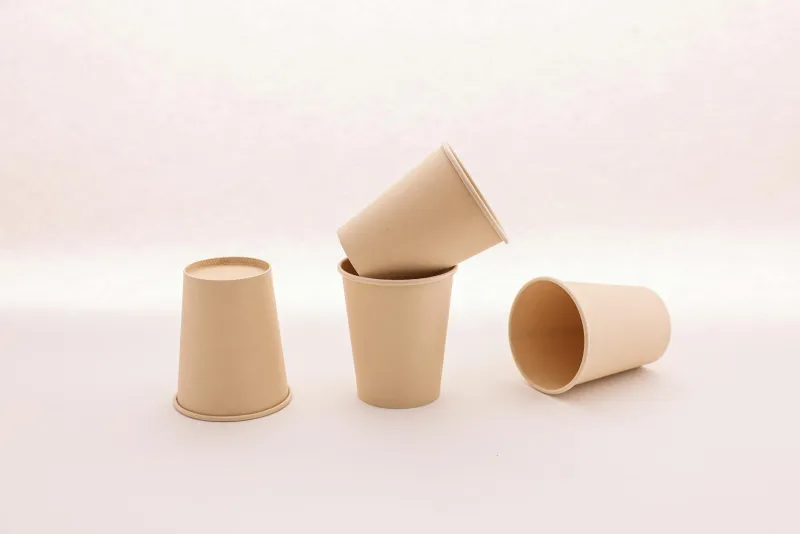
Paper coffee cups weren't invented for convenience — they were born from pure fear. When typhoid scares swept America in the early 1900s, reformers declared war on shared drinking vessels, accidentally creating the throwaway culture that defines how we drink coffee today.

The Bland Leaf That Conquered America's Dinner Tables

The Bland Leaf That Conquered America's Dinner Tables

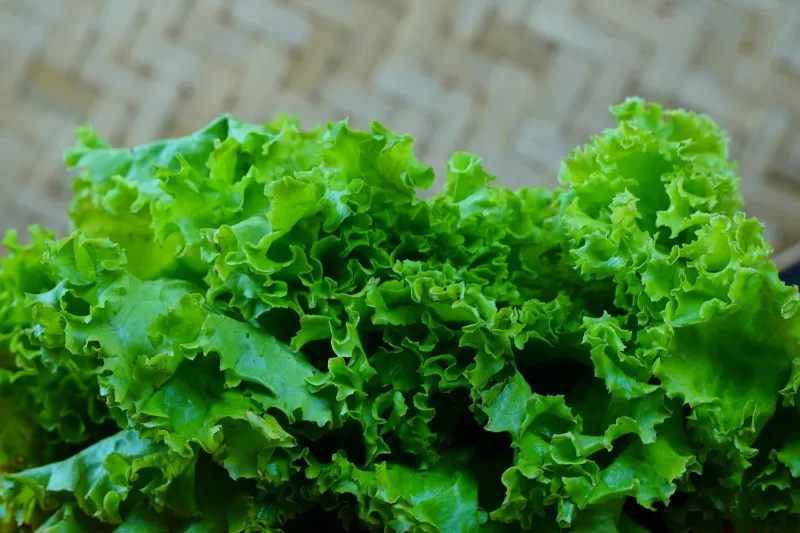
Iceberg lettuce started as farming's biggest disappointment — a watery, flavorless mistake that growers wanted to abandon. Then came refrigerated train cars, and suddenly this tasteless vegetable became the backbone of American salads for nearly a century.

The Plumber's Midnight Snack That Conquered American Refrigerators

The Plumber's Midnight Snack That Conquered American Refrigerators

Ranch dressing wasn't invented in a test kitchen or restaurant—it was whipped up by a plumber in an Alaskan work camp who just wanted to make bland food taste better. Somehow, that midnight experiment became America's most obsessive condiment relationship.
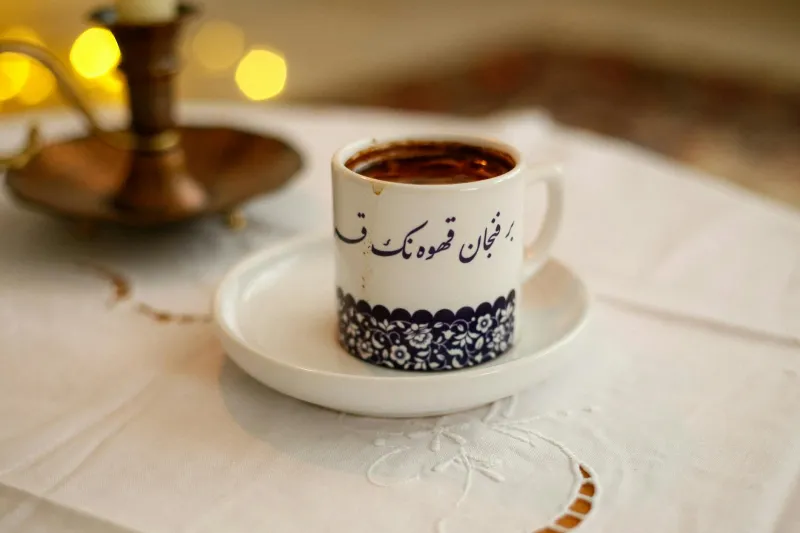
The Enslaved Boy Who Broke Mexico's Monopoly on America's Favorite Flavor

The Enslaved Boy Who Broke Mexico's Monopoly on America's Favorite Flavor

For centuries, Mexico controlled the world's vanilla supply through a secret pollination process. Then a 12-year-old enslaved boy named Edmond Albius figured out how to replicate nature's work with his bare hands, accidentally democratizing one of America's most beloved flavors.

The Doctor's Fever Dream That Accidentally Revolutionized American Kitchens

The Doctor's Fever Dream That Accidentally Revolutionized American Kitchens

Mechanical refrigeration was invented in the 1840s to save surgical patients from deadly fevers in sweltering hospital wards. The idea of keeping food cold was almost an afterthought—until this medical device accidentally transformed how every American family shops, cooks, and thinks about leftovers.

The Burning Question: How Polite Society Decided Your Coffee Cup Needed a Handle

The Burning Question: How Polite Society Decided Your Coffee Cup Needed a Handle

For thousands of years, humans drank hot beverages from handle-free bowls and cups without complaint. The familiar coffee mug handle is actually a recent invention tied to changing European ideas about proper manners and the rise of coffee house culture. Here's how a simple loop of clay became essential to civilized drinking—and why your office mug carries centuries of social history.

From Ancient Tree Sap to Baseball Stadium Ritual: The Wild Story Behind America's Chewing Habit

From Ancient Tree Sap to Baseball Stadium Ritual: The Wild Story Behind America's Chewing Habit

Long before Americans were blowing bubbles and sticking gum under desks, ancient Mayans were chewing tree sap for fresh breath. The path from jungle ritual to billion-dollar habit involves a Mexican general, a failed rubber experiment, and a photographer who saw opportunity where everyone else saw waste. Here's how a 2,000-year-old tradition accidentally became America's most mindless daily ritual.

How Napoleon's Empty Stomach Accidentally Built Every American Pantry

How Napoleon's Empty Stomach Accidentally Built Every American Pantry

Before Napoleon's armies marched hungry across Europe, preserving food meant salting, smoking, or hoping for the best. The French emperor's military crisis sparked an invention that would quietly revolutionize American kitchens forever. Today, the average American family has dozens of cans in their cupboards, never realizing they're eating from Napoleon's leftovers.
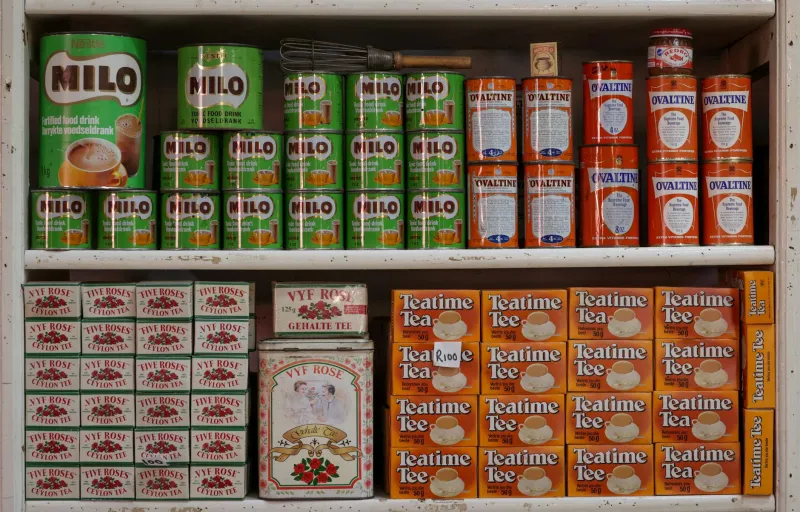
When Battlefield Hunger Invented the Way America Eats Together

When Battlefield Hunger Invented the Way America Eats Together

Before the Civil War, American hospitals expected families to bring food to patients. Then battlefield nurses faced thousands of wounded soldiers with no one to cook for them, and their desperate solution became the blueprint for every cafeteria in the country.

The Caribbean Secret Behind America's Backyard Obsession

The Caribbean Secret Behind America's Backyard Obsession

Nothing says "American summer" like backyard barbecue, but this beloved tradition actually began with Indigenous Caribbean cooking techniques that traveled through slavery and colonization to become the most fiercely debated food culture in the United States.

The Revolutionary Rope That Taught America How to Wait

The Revolutionary Rope That Taught America How to Wait

Every day, millions of Americans form orderly lines without thinking twice about it. But this simple act of civilized waiting has roots in 19th-century farming practices that forever changed how we organize society.

The 15-Minute Break That Took Decades to Negotiate

The 15-Minute Break That Took Decades to Negotiate

Your daily coffee break isn't an ancient workplace tradition—it's the result of a clever 1950s lobbying campaign that turned coffee industry profits into union bargaining chips. Most workers assume it's always existed, but it's barely older than your parents.

The Kitchen Mistake That Created America's Favorite Cookie

The Kitchen Mistake That Created America's Favorite Cookie

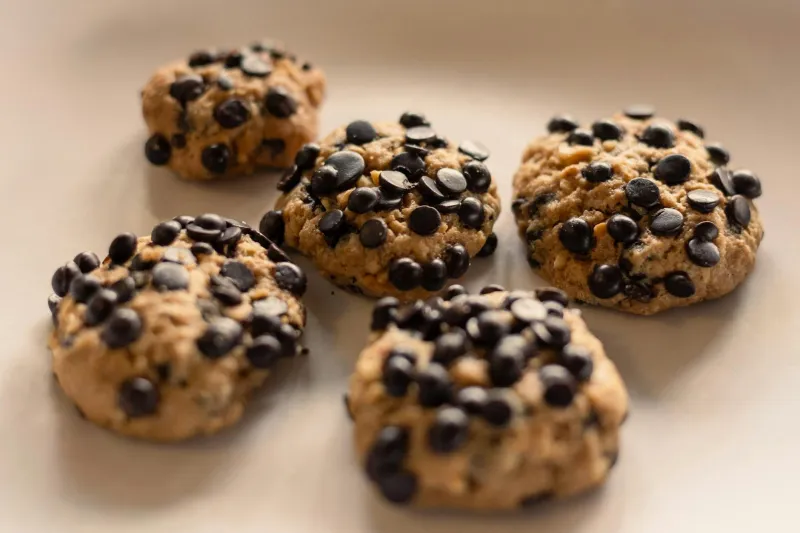
In 1938, a Massachusetts innkeeper ran out of baker's chocolate and made a decision that would accidentally create the most popular cookie in America. What started as a kitchen shortcut at the Toll House Inn became a sweet revolution that's still baking in ovens nationwide.

The Underground Survivor That Changed the World — One Famine at a Time

The Underground Survivor That Changed the World — One Famine at a Time

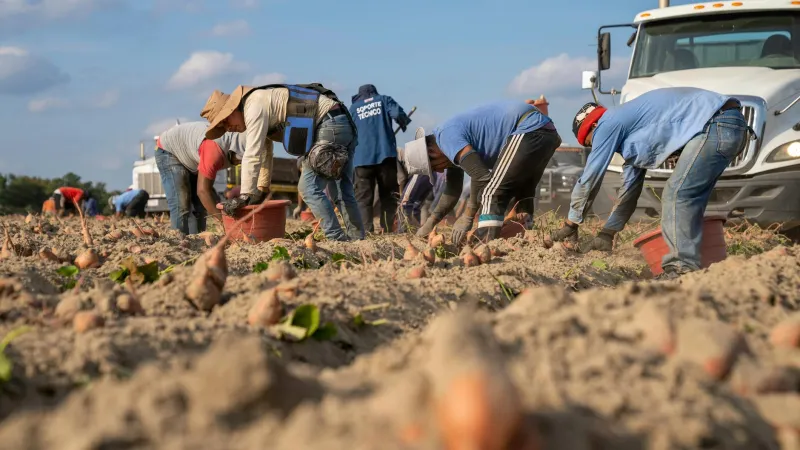
Before it became the backbone of American comfort food, the potato spent centuries being feared, rejected, and blamed for everything from leprosy to moral corruption. This humble tuber's journey from Andean mountainsides to global dominance is a story of survival, stubbornness, and spectacular disasters.

The Lab Accident That Made Every Egg Stop Sticking to Your Pan

The Lab Accident That Made Every Egg Stop Sticking to Your Pan

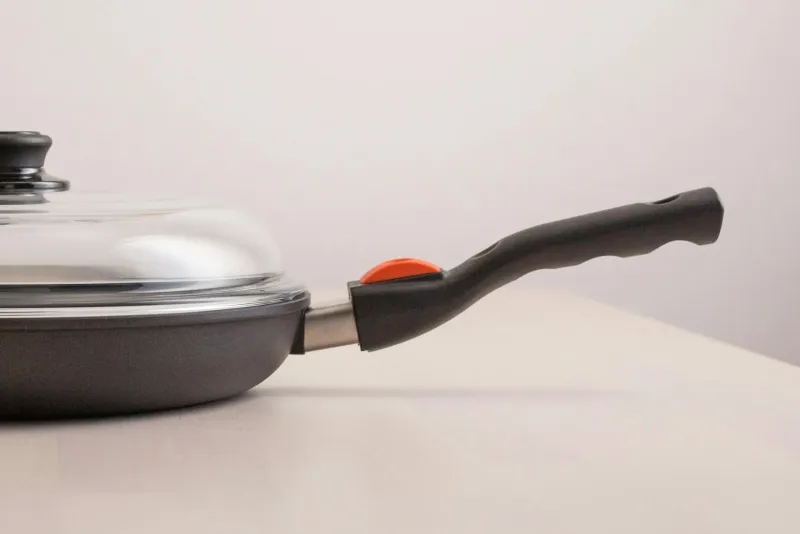
In 1938, a DuPont chemist was trying to invent better refrigerator coolant when he accidentally created the slipperiest substance on Earth. Twenty years later, a French engineer's wife figured out how to put it in every American kitchen.

Before Heinz Put It on the Burger, Doctors Were Writing Prescriptions for Ketchup

Before Heinz Put It on the Burger, Doctors Were Writing Prescriptions for Ketchup

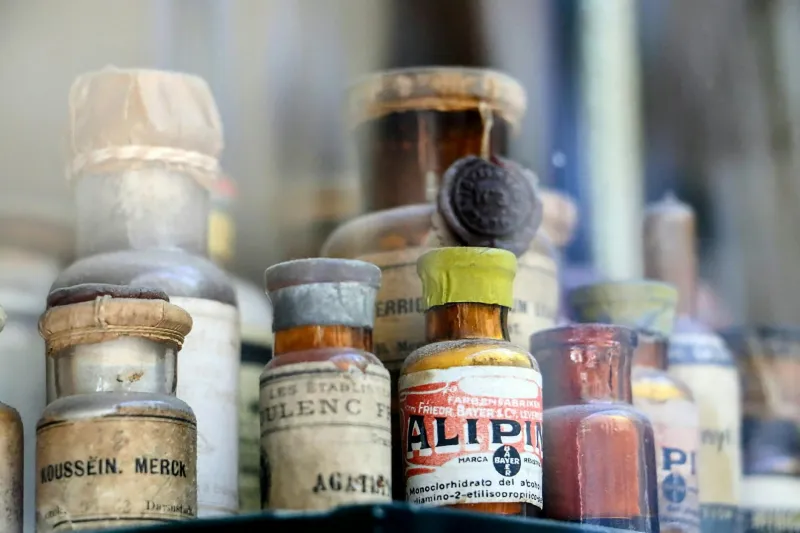
Long before ketchup claimed its throne next to the mustard at every backyard cookout, it lived a very different life — on pharmacy shelves, prescribed for liver trouble and indigestion. The story of how a fermented fish sauce from Southeast Asia became America's favorite condiment is stranger than anything on the label.

America's Ice Obsession Started With One Stubborn Boston Merchant and a Frozen Pond

America's Ice Obsession Started With One Stubborn Boston Merchant and a Frozen Pond

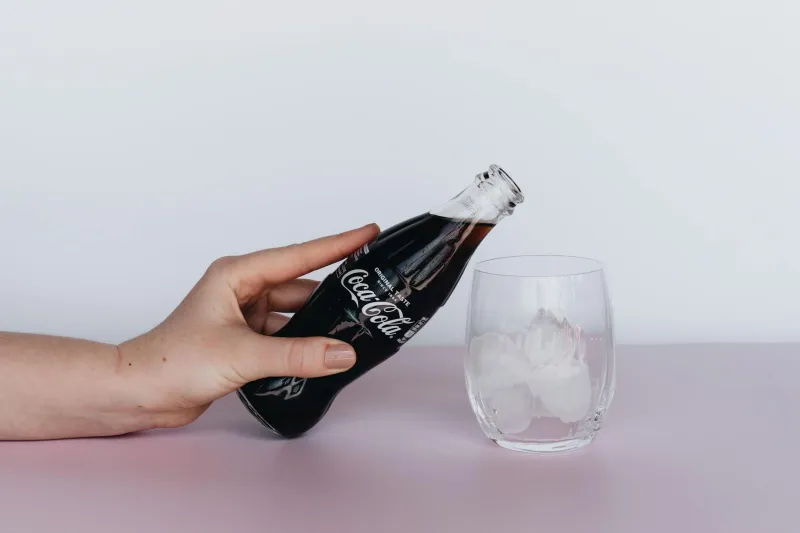
Before refrigerators, before ice machines, before the 44-ounce fountain drink, there was Frederic Tudor — a Boston eccentric who decided that frozen pond water was a commodity worth shipping to the tropics. He was laughed at, nearly jailed for debt, and ultimately proved everyone wrong. The ice habit he created never went away, and it's why your waiter refills your glass without asking.

One November Afternoon, the Railroads Reset Every Clock in America

One November Afternoon, the Railroads Reset Every Clock in America

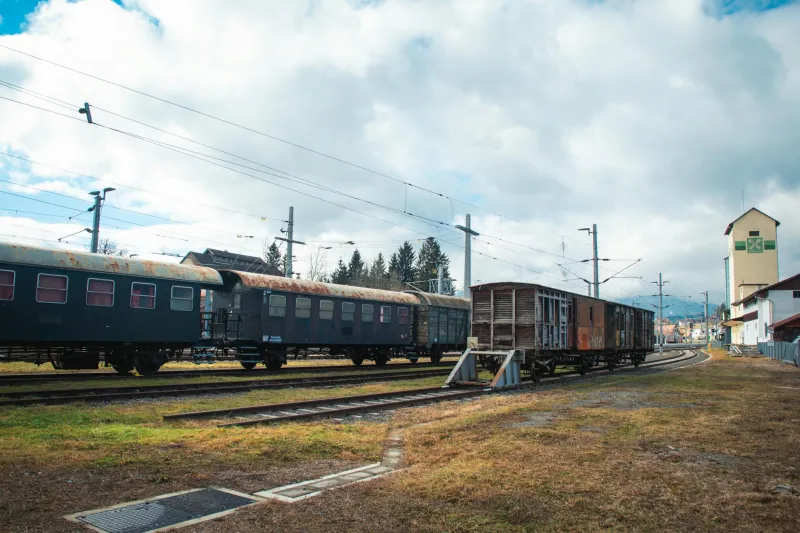
Before November 18, 1883, there was no such thing as Eastern Standard Time. Every American city kept its own local time, set by the sun directly overhead, and a train traveler crossing Pennsylvania might pass through six different clocks in a single afternoon. Then the railroads got fed up — and in one afternoon, they quietly reorganized the entire country's relationship with time.

The Teenage Boy Who Spilled Purple and Accidentally Dressed the World

The Teenage Boy Who Spilled Purple and Accidentally Dressed the World

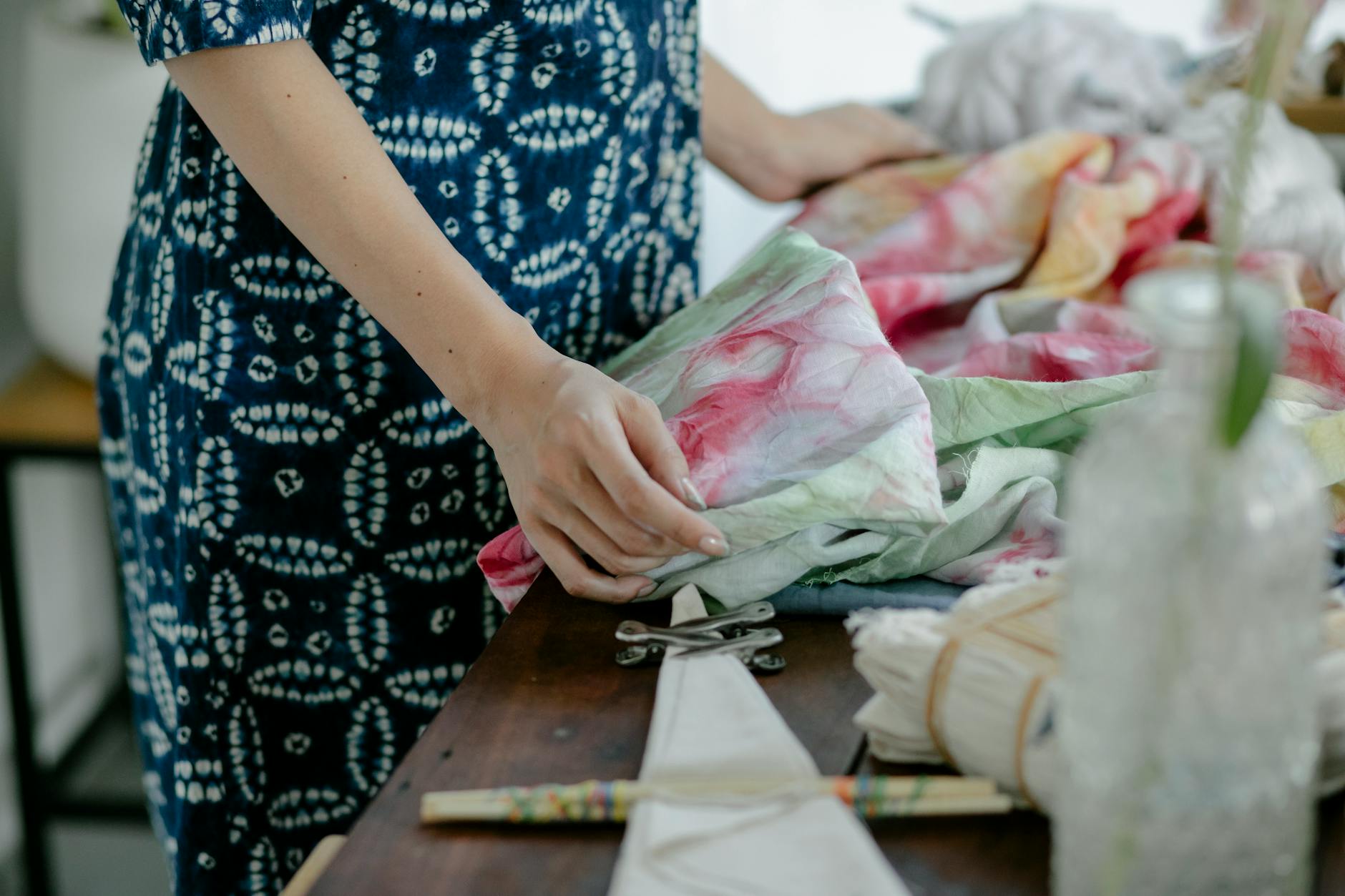
In 1856, an 18-year-old chemistry student made a mess in his makeshift home lab — and accidentally invented the first synthetic dye, a vivid purple that would upend the textile industry and put color on the backs of ordinary people for the first time. His name was William Perkin, and he was trying to cure malaria. What he got instead was a fashion revolution.

Turkey Didn't Always Own Thanksgiving — Here's Who Put It on the Table

Turkey Didn't Always Own Thanksgiving — Here's Who Put It on the Table

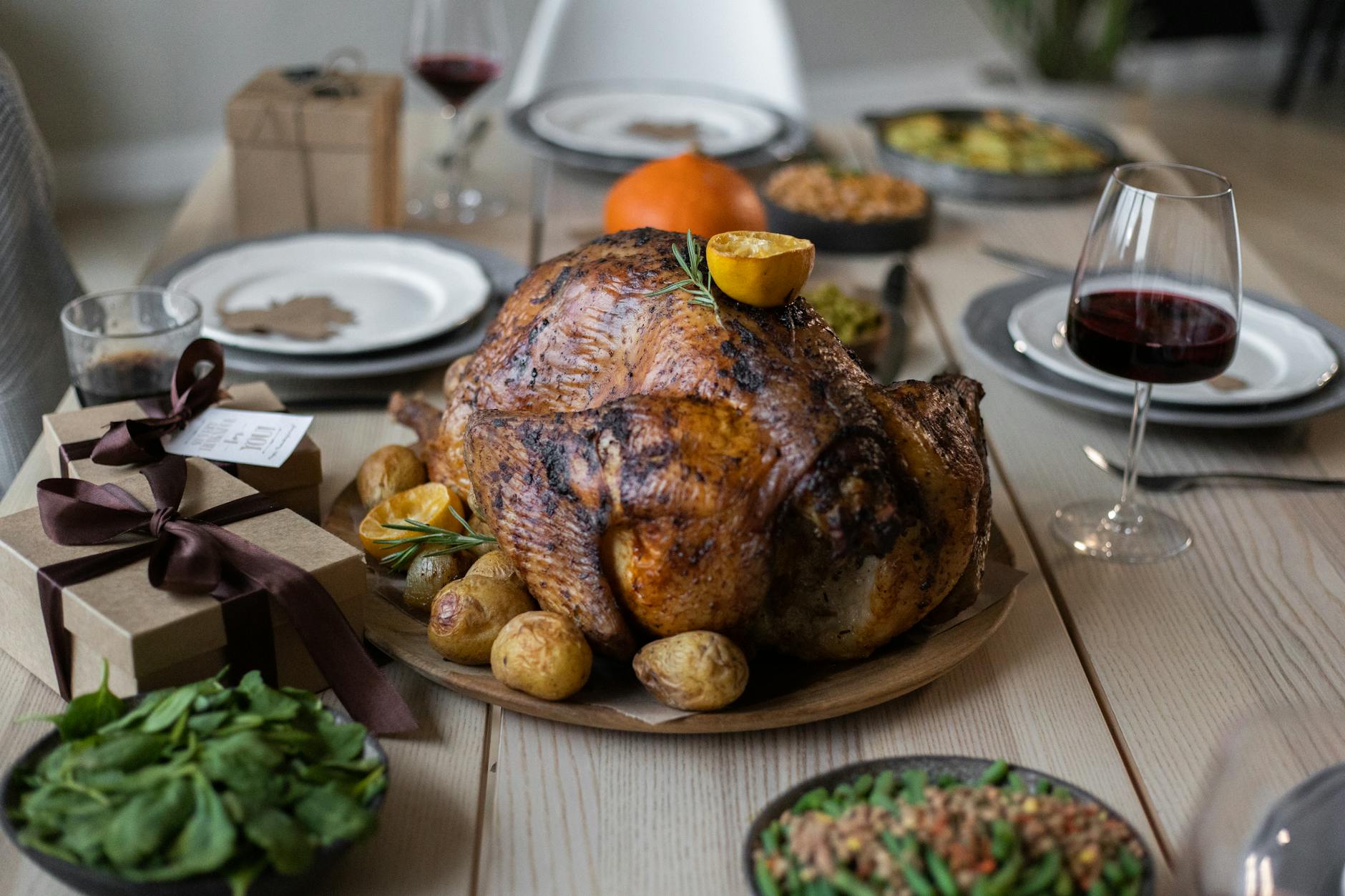
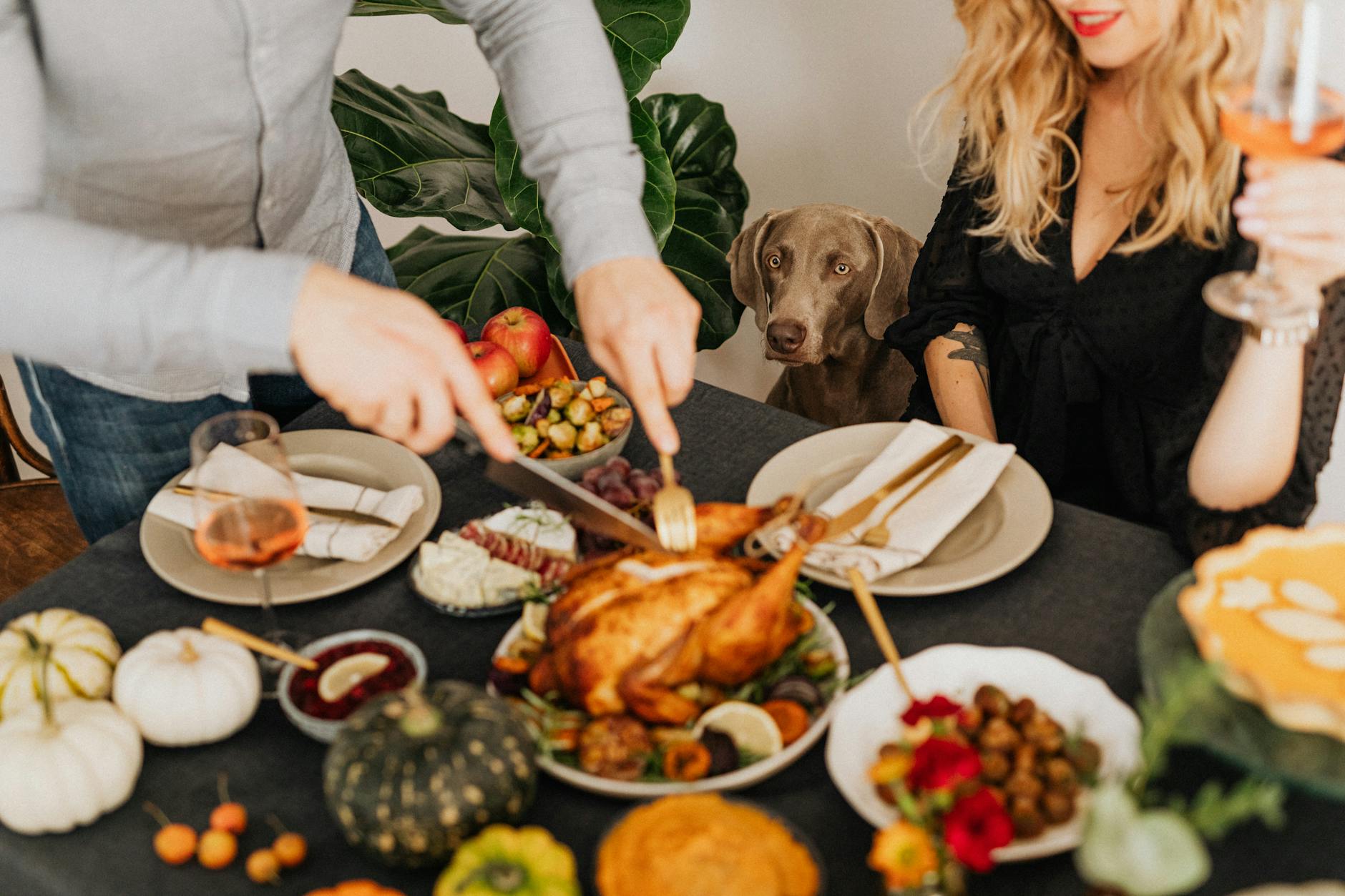
The turkey has sat at the center of the American Thanksgiving table for so long that most of us assume it was always there. But the bird's rise to holiday royalty has less to do with the Pilgrims and a lot more to do with a persistent magazine editor, wartime food policy, and the American meat industry. The real story is stranger — and more interesting — than anything you learned in school.

How a Forgotten Pan of Wheat Changed the Way America Wakes Up

How a Forgotten Pan of Wheat Changed the Way America Wakes Up

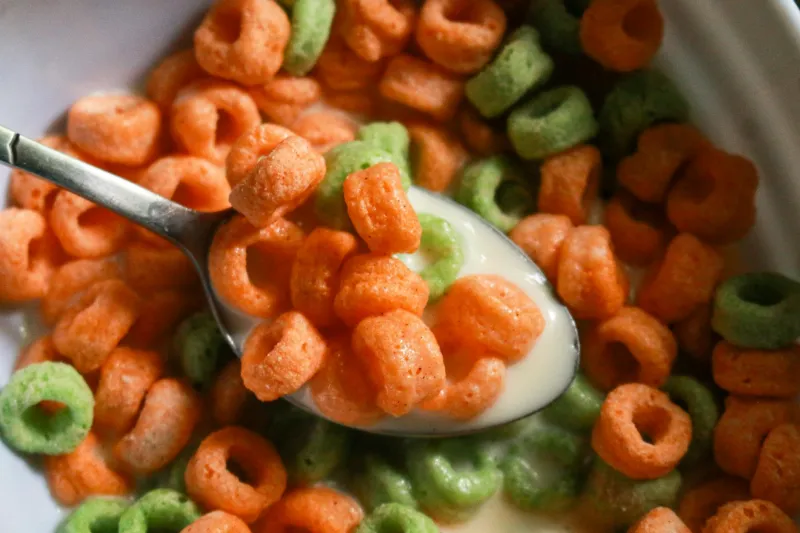
In 1894, a distracted kitchen worker at a Michigan health retreat left a batch of cooked wheat sitting out overnight — and accidentally launched a breakfast empire. What happened next didn't just fill cereal bowls across America. It rewrote the entire morning routine of a nation.

How Hard Times and Empty Pantries Gave America One of Its Favorite Dinner Traditions

How Hard Times and Empty Pantries Gave America One of Its Favorite Dinner Traditions

The potluck dinner feels like pure Americana — a warm, casual gathering where everyone shows up with something to share. But the tradition has a much harder origin story than the cheerful casseroles and paper plates suggest. What started as a survival strategy during one of the bleakest chapters in American history became a social ritual that outlasted the crisis that created it by nearly a century.

From Sinful Novelty to Sunday Staple: The Wild Journey of the Fork Across Centuries and Continents

From Sinful Novelty to Sunday Staple: The Wild Journey of the Fork Across Centuries and Continents

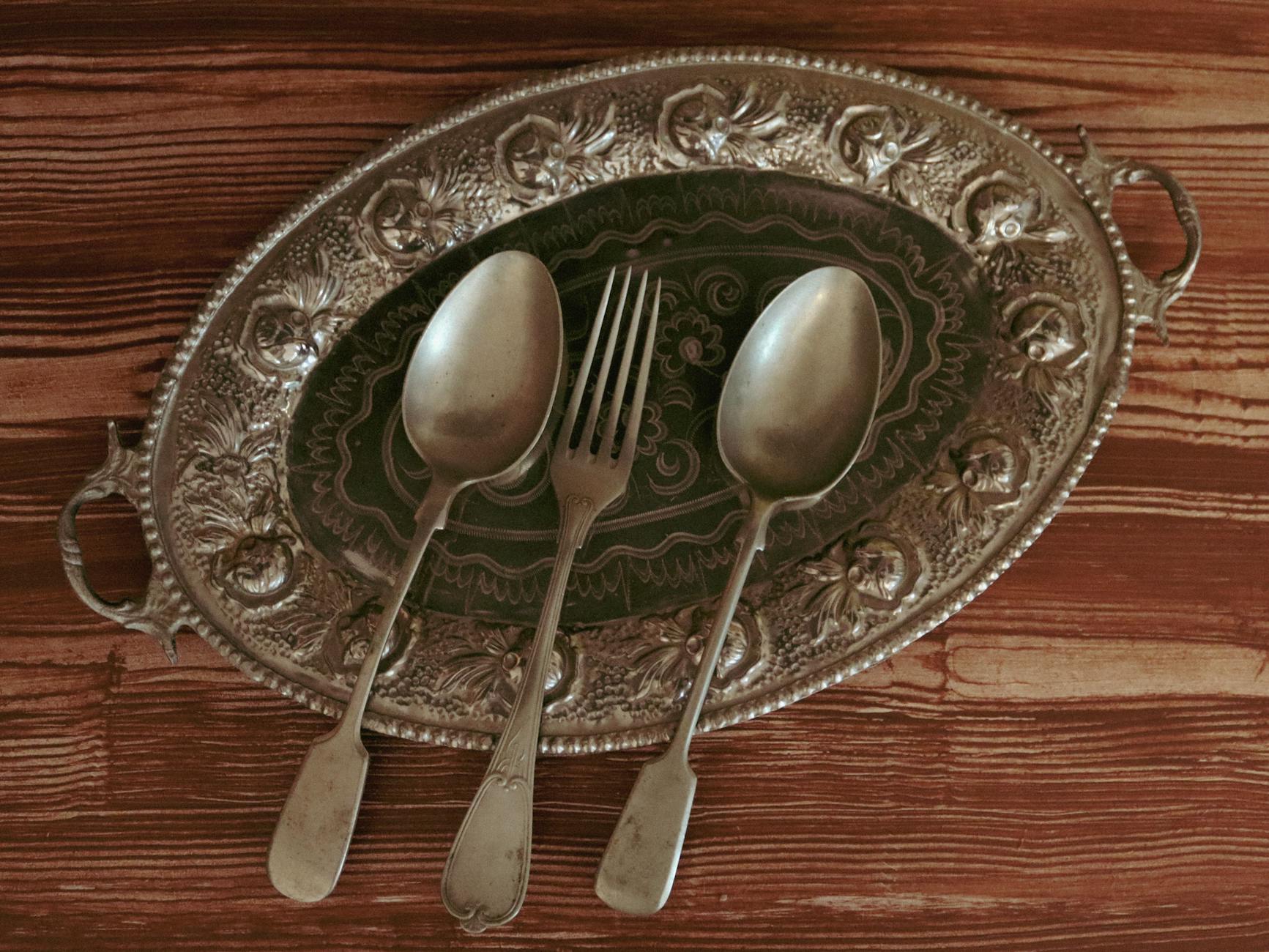
Before the fork earned its place beside every American dinner plate, it was condemned by the Catholic Church, mocked by European nobility, and ignored by colonists for decades. The story of how a peculiar Byzantine utensil conquered the American table is stranger — and more contentious — than you'd ever expect from something you pick up without thinking three times a day.

The Devil's Tool in Your Kitchen Drawer: How the Fork Spent 600 Years Being Controversial

The Devil's Tool in Your Kitchen Drawer: How the Fork Spent 600 Years Being Controversial

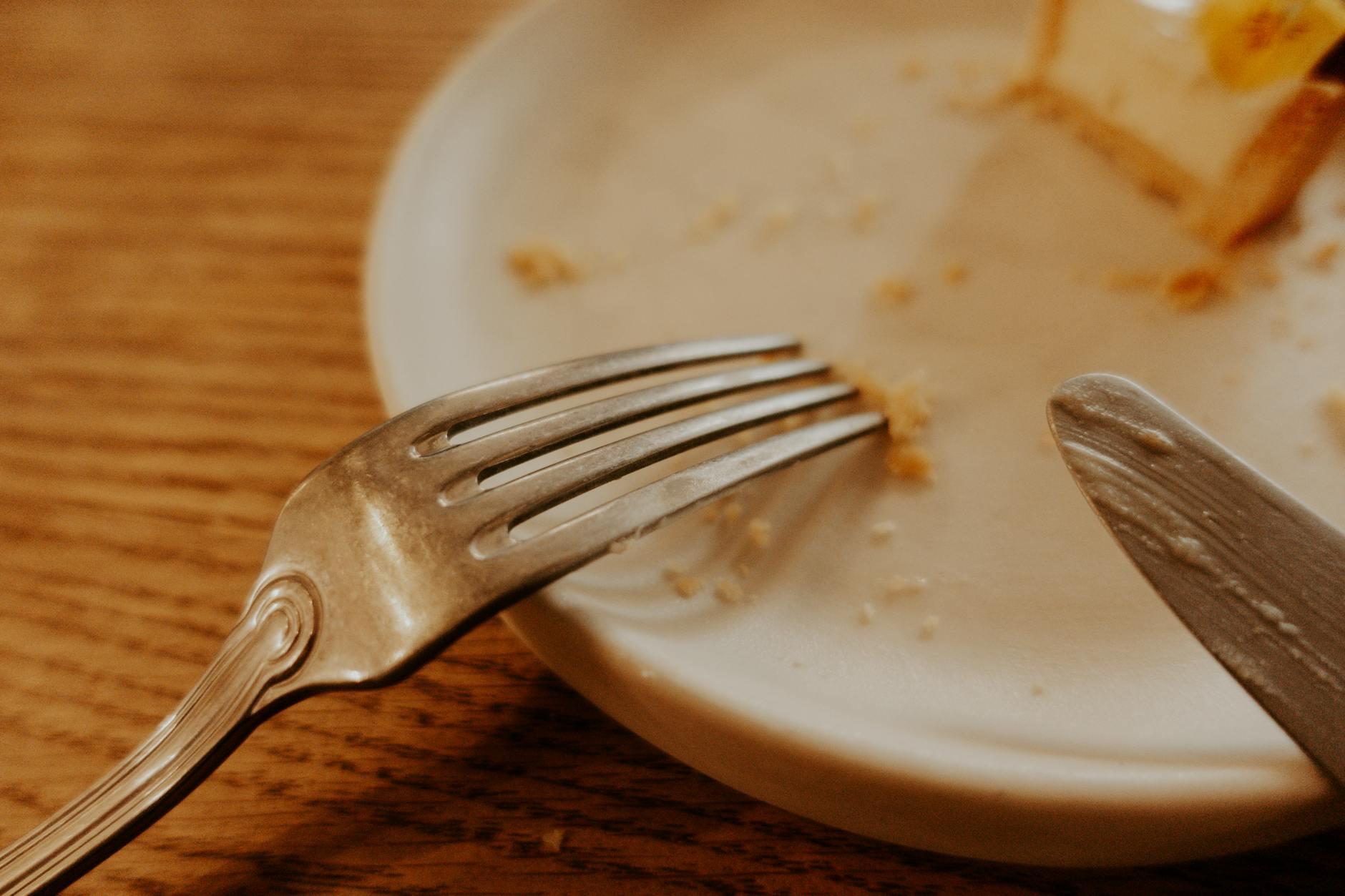
The fork is so ordinary today that most people give it zero thought — it's just there, next to the knife, ready to move food from plate to mouth. But for roughly six centuries, this now-unremarkable utensil was considered ungodly, pretentious, and frankly a little suspicious. The story of how the fork went from Byzantine luxury item to universal kitchen staple is one of the stranger journeys in the history of everyday objects.

The Magazine Editor Who Invented Thanksgiving Dinner As We Know It

The Magazine Editor Who Invented Thanksgiving Dinner As We Know It

Turkey didn't earn its place at the Thanksgiving table through tradition or accident — it was put there on purpose. Behind one of America's most sacred holiday rituals is a surprisingly modern story involving wartime food politics, a relentless magazine editor, and decades of carefully constructed mythology. The bird you carve every November has a far more deliberate origin than most people ever suspect.

One Man, One Pepper, One Tiny Louisiana Island: The Unlikely Birth of Tabasco

One Man, One Pepper, One Tiny Louisiana Island: The Unlikely Birth of Tabasco

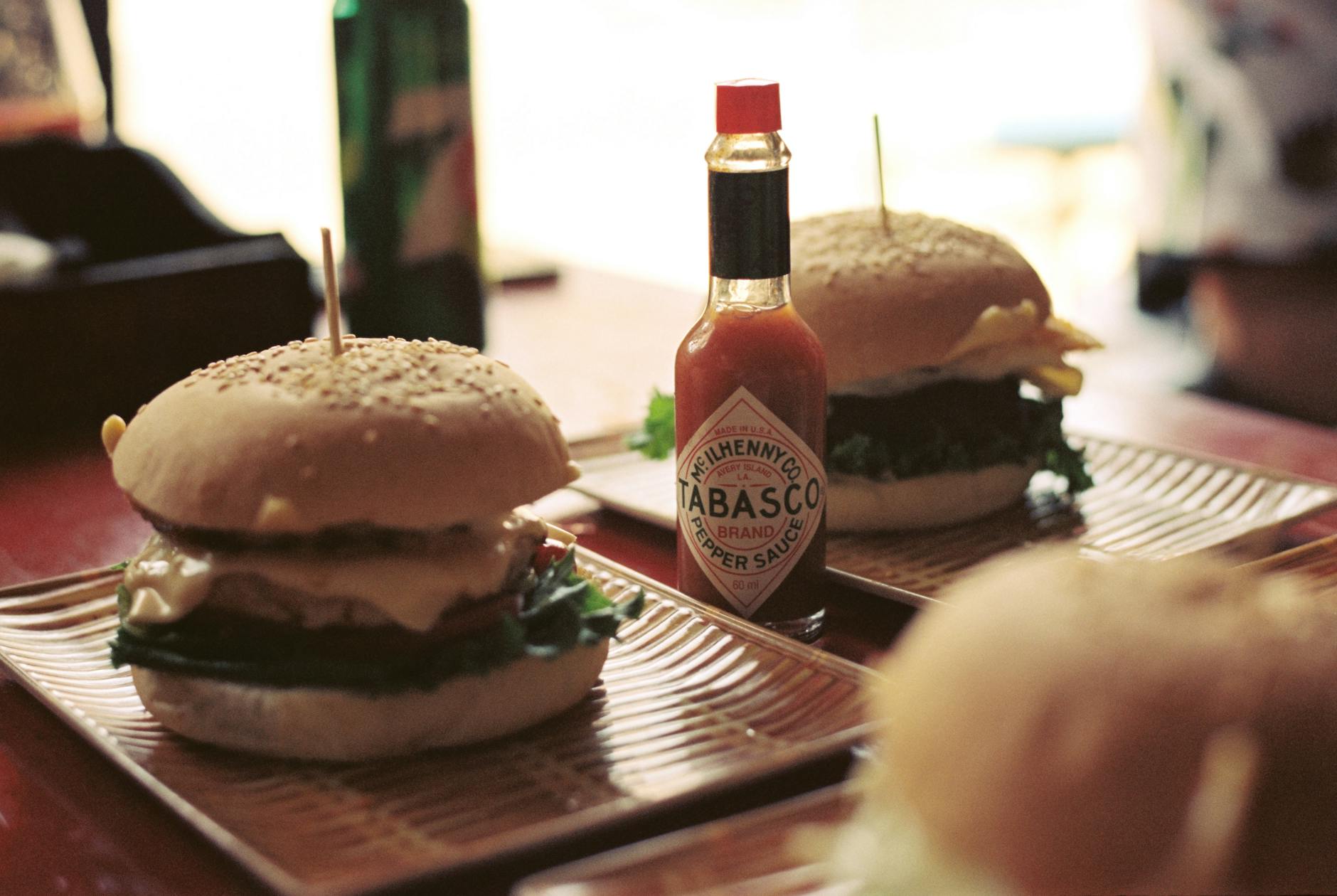
Tabasco sauce wasn't born in a factory or developed by a food company — it was invented by a broke ex-banker on a remote Louisiana island who was basically just trying to figure out what to do with his life after the Civil War. The story of how Edmund McIlhenny's postwar obsession with a single Mexican pepper became one of the most recognized condiments on the planet is equal parts accident, stubbornness, and very good timing.